Wall insulation in Tyler TX - full walls without tearing out your drywall
Cold outside walls in winter and rooms that won't cool in summer? We fill the hollow walls through small holes and patch them neatly.
What does it take to insulate the walls of a finished house?
Wall insulation for a Tyler, TX house means filling the empty spaces between the studs in your outside walls so your rooms hold their temperature. In a finished home, we do it through small holes instead of tearing out drywall.
Most people call because an outside wall feels cold to the touch in January, a bedroom never catches up with the AC, or the power bill keeps climbing even after the attic insulation was done. The price comes down to how many square feet of outside wall we're filling, which material you pick and whether we drill from inside or outside. The schedule turns mostly on your siding and on how much furniture, cabinets and tile sit against those walls. When I come out, I'll ask what you've noticed, show you what I found and explain your choices before you decide anything.
How we handle wall insulation, step by step
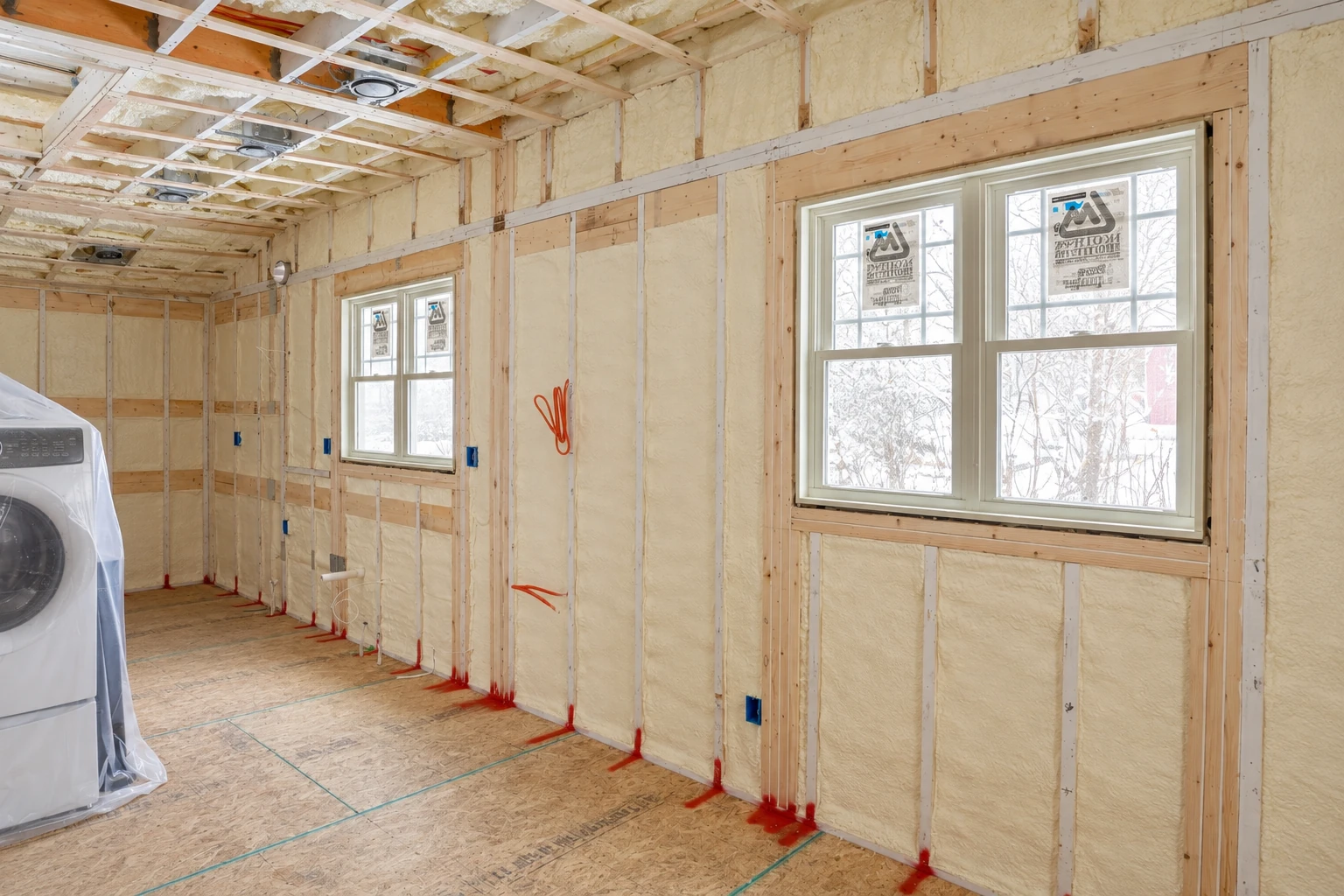
First I check what's in your walls now, usually by looking behind an outlet cover or down from the attic, because some walls already have a little insulation and some have none at all. Then we talk through whether going in from inside or outside fits your siding and whatever else you have planned for the house. On the day of the job, we cover your floors and move things back from the walls, drill a small hole into each space between the studs, fill it and check that it's full before we move to the next one, because a space left half empty is a cold spot you'll feel all winter. Last, we patch the holes neatly so the wall looks the way it did when we got there.
Full walls do the most good when air isn't sneaking past them, the same way a good jacket doesn't help much if you leave it unzipped. That's why we often pair this job with air sealing services, which close the gaps around wiring, plumbing and the attic hatch. If your house has a basement, those walls sit against the ground and need a different method, so basement insulation is its own job.
Why Tyler homeowners call Elite Tyler Spray Foam Insulation for wall insulation
I walk your walls myself
I come out myself to look at the job and walk it with you, and our installers do the work. I check it with them before we pack up, so the person who explained the job is the one who signs off on it.
Permit question settled before drilling
The City of Tyler's permit list names building, pool, roof, electrical and plumbing work but doesn't mention wall insulation. When it isn't clear, we check with the city's Permits and Building Inspections office at (903) 531-1151 before we start, and if a permit is needed, we handle the filing and set up the inspections for you.
Licensed and insured on every job
We're licensed and insured. That matters when a crew is drilling into the walls where your wiring and plumbing run, because a mistake shouldn't land on you.
Explained before anything gets drilled
I learned this trade on a municipal crew, and we've been in business since 2021. I'd rather tell you your walls are fine than sell you a job you don't need, so you'll know why each step comes in the order it does.
On wall work, what counts is that every space between the studs actually gets filled and the holes don't show afterward. Call (903) 508-0953 or send us your project details, and have your home's build year, your siding type and any plans to re-side handy.
Get a wall insulation estimate for your Tyler home
We reply to every message within one business day to set a time for your free estimate at your property. I'll come out, look at your walls with you, show you what I found and explain your choices. There's no pressure and no obligation to go ahead.
Wall insulation work up close
Questions before you book wall insulation
Can you insulate my walls without opening them up?
Yes. In most finished houses, the wall gets a row of holes through the outside sheathing or the inside wallboard, and cellulose or fiberglass is blown into the spaces between the studs. Packing it tightly, which installers call dense-pack, gives a higher R-value, which is how well insulation slows heat, and it settles and leaks air less. The wall has to be well sealed and strong enough to take that pressure, so I check that before we start.
Will the holes show after wall insulation is blown in?
Not when they're patched well, and that's part of the job for us. From outside, the holes cut through the drainage plane, the water barrier such as house wrap behind your siding, so that layer has to be patched or replaced too. If you're planning new siding, doing the walls first means the new siding and trim cover the holes completely.
Is it better to insulate walls from inside or outside?
It comes down to how easy it is to get into the walls and what shape the water barrier behind your siding is in. Going in from inside leaves that barrier alone, while re-siding is the best time to go in from outside because the barrier can be checked or put back new and rigid foam can be added. On inside work, ask whether the crew will fill above door headers, above and below windows and behind cabinets on outside walls, and know that a bathroom on an outside wall may need a few tiles popped off first.
How much does wall insulation cost per square foot in Tyler, TX?
Across the US, blown-in wall insulation usually costs about $3.90 to $4.60 per square foot, installed. That's a national figure, not our price, and the estimate at your house is where it gets narrowed down for your walls.
What is the best way to insulate existing walls, spray foam or blown-in?
Blown-in fiber is the least expensive way to insulate a wall, while spray foam air seals and insulates in one step but costs much more. Fiber can hold moisture, which can lead to mold and wood rot. Foam still lets heat pass through the wood studs and doesn't stop outdoor moisture from condensing inside the wall, so neither one is perfect. Smith County sits in climate zone 3 on the Texas energy code guide, and for walls that are already closed, I usually lean toward blown-in because of the cost difference, unless moisture in that wall is worth paying more to deal with.
How do I insulate the walls in an older house built before 1980?
Owners of homes built before 1980 are advised to know the lead safety rules, which come into play depending on how much the work disturbs the inside and outside wall surfaces. Tell me your build year when you call so I can plan where we drill and how we clean up with that in mind.
Other work that pairs with wall insulation
- Air sealing services
Full walls still lose comfort when air slips in around outlets, plumbing and the attic hatch, so sealing those gaps first lets the new insulation actually do its job.
- Basement insulation
If your home has a basement or a lower level dug into a slope, those walls sit against the ground and need a different method than the framed walls upstairs.