Spray foam insulation in Tyler TX - a tighter house with the right foam in each spot
Hot upstairs rooms, drafts and a power bill that climbs all summer? We seal the gaps and insulate in the same step.
Is spray foam the right insulation for my Tyler house?
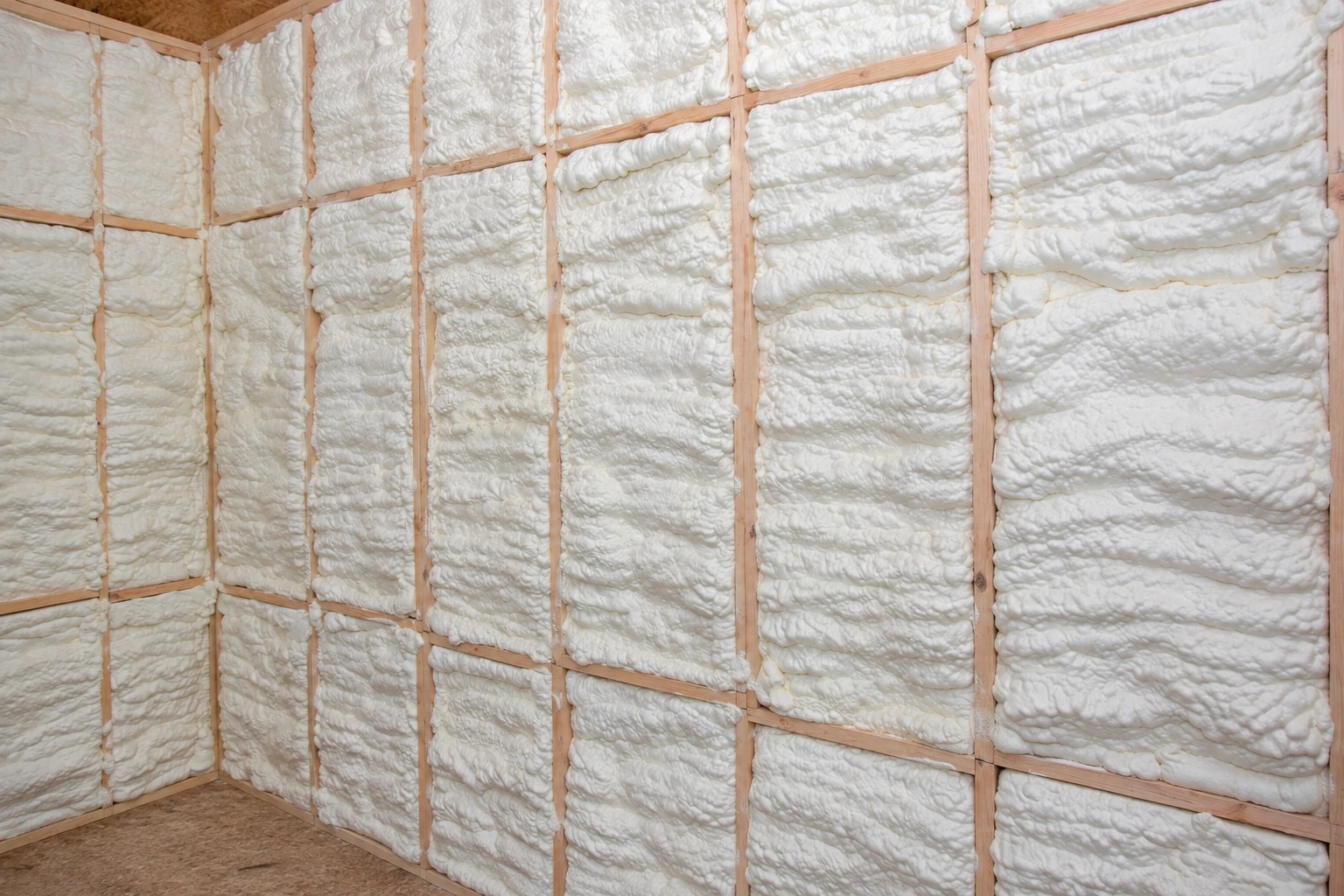
Spray foam insulation is foam we spray into walls, attics and crawl spaces in Tyler homes. It expands to fill the gaps and stops air from leaking through while it insulates, so the house holds its temperature and the hot rooms and drafts ease off.
Most people call Elite Tyler Spray Foam Insulation because the room over the garage bakes every afternoon, the floors run cold in winter or the power bill keeps creeping up, and the first thing I'll ask is what you've noticed and where. The price mostly turns on how much of the house you want covered and which foam goes in each spot. The schedule turns on two things. One is whether old insulation that's wet or full of droppings has to come out first through our insulation removal work, because new foam over that just traps the problem. The other is which days your family can be away while the foam cures. Your own number and timing come out of the walk-through, where I show you what I found and explain your choices before you decide.
How we install spray foam insulation
Before anyone sprays, we sit down and talk through who lives in the house, whether anyone has asthma or allergies, and where you'll stay while the foam cures, so nobody is surprised on the day. Then we help you pick the foam for each spot instead of one kind for the whole house. Closed-cell is the dense foam that also blocks moisture, and open-cell is softer and lighter, more like a couch cushion. Our crew checks what's already in there first, because foam sprayed over a soaked or dirty layer seals the trouble in with it. On install day our installers cover your things, close off the work area and spray to the depth we agreed on, carrying it all the way out to the edges where coverage tends to run thin. When they're done, I go over the work with them, we clean up and we air the house out.
Spray foam isn't always the answer, and I'd rather tell you that than sell you a job you don't need. If your ductwork isn't up in the attic, sealing the gaps and topping up with blown-in insulation, which is loose fill blown in through a hose, usually does the job for less money. When the ducts do live up there, foam on the underside of the roof pulls them inside the cooled part of the house, and that's often worth paying more for. Either way, our attic insulation work starts with the same look at what's up there now.
Why Tyler homeowners call us for spray foam
I walk the job with you
I come out myself to look at your attic, walls or crawl space, our installers do the spraying, and I check their work with them before we pack up. You get one person who has seen your house from the first visit to the last pass with a flashlight, and you can ask that person anything.
Licensed and insured, proof on request
We're licensed and insured, and we've been in business since 2021, so ask to see the paperwork before anyone goes into your attic. A crew running spray equipment inside your house should be covered, and you shouldn't have to take that on faith.
Tyler permits filed for you
The City of Tyler takes permits online through TylerInspections.com, and when a job calls for one, we file it and set up the inspections, or check with the city first if it isn't clear. The city's Building Services Department enforces the building code, including its current residential and energy codes, so we plan the insulation work with those in mind.
On a spray foam job, the decisions made before anyone picks up a spray gun matter most, so that's where we start. We're based in Tyler and work in the cities around it across East Texas, so call (903) 508-0953 or send us a request and I'll come out and walk it with you.
Get a spray foam plan for your house
We reply to every call and message within one business day, and the estimate is free, done at your house and comes with no obligation. I'll come out, look at the spaces you want insulated and show you what I found before you decide anything. It helps to tell us which rooms or areas you're thinking about, whether anyone at home has asthma or allergies, and what dates you could be away.
Spray foam work up close
Common questions about spray foam insulation
Which type of spray foam is best for the walls of my Tyler house?
For walls in hot, humid climates, federal building guidance rates closed-cell foam as the preferred choice, because it seals air and also controls moisture vapor at the outer side of the wall. The same guidance suggests asking about closed-cell at full thickness, or as part of a hybrid install that pairs it with another insulation. When I'm at your house, I'll look at your walls and tell you how that applies to them.
Is open-cell spray foam okay in a house with central air?
It needs care, because open-cell foam blocks air well but lets moisture vapor pass through. The guidance for air-conditioned homes in hot, humid climates says moisture flow has to be controlled, and it warns that a vapor retarder on the inner side of the wall may lead to higher humidity, condensation and mold. That's why I won't suggest open-cell for a wall until I've seen how your house handles moisture.
How long do we have to stay out of the house after spray foam insulation?
Plan on at least 24 hours away, since federal safety staff advise residents to stay out at least that long and to come back only after the foam has cured and the house is aired out and cleaned. The re-entry time, meaning the point when it's safe to come home, depends on the product, the type of house and whether children, older relatives or other sensitive people live there, so it can run longer. We settle on your return time before the day we spray.
Is spray foam insulation safe for someone with asthma?
It can be, but someone with asthma should look closely at the product before you decide. Federal safety staff advise people with asthma, respiratory allergies or skin conditions to review the product information carefully and, if needed, consider another kind of insulation. If that's someone in your house, we go through the product information together, and if foam isn't the right call, I'll tell you.
How do I choose a spray foam insulation contractor in Tyler?
Make sure the crew is properly trained, check their insurance and licenses and call their references, which is what federal safety staff suggest. Installers certified through the Spray Polyurethane Foam Association carry a wallet-sized card showing they passed its tests, so it's fair to ask to see one. Then notice whether they ask about your household and explain the foam choice before they talk about price.
How much does spray foam insulation cost in Tyler?
The cost comes down to how many square feet we're covering, which foam goes where and how thick it needs to be. Closed-cell costs more than open-cell for the same space, and tight attics or finished walls take more time to reach. I'll give you your own figure once I've looked at the space and gone over the options with you.
Other insulation work that often goes with it
- Attic insulation
If heat pours through your ceiling and the upstairs never cools off, the attic is usually where to start, and foam is only one way to fix it.
- Blown-in insulation
A good fit for an attic that's a few inches short, since we blow loose fill over what's there once the gaps are sealed and the old layer checks out.