Home insulation in Tyler TX - a cooler upstairs and an attic sealed before it's filled
Hot upstairs, a drafty room over the garage or a climbing power bill? We seal the gaps first, then insulate so it holds.
Where do I start insulating my house in Tyler?
Home insulation in Tyler means closing the air leaks in your ceilings, walls and foundation, then adding insulation to the attic, the floors over a crawl space and any rim joists you can reach, the wood band along the top of a basement wall, so your rooms hold their temperature instead of chasing the thermostat. Most of the work happens in the attic, and the order it's done in matters as much as the material.
Most people call me because the upstairs runs hot, the room over the garage never feels right or the power bill keeps creeping up, and the first thing I ask is what you've noticed and when. The price turns on the size of the attic, how many inches are already up there, how old the house is, how many gaps need sealing and whether old material has to come out first, and the schedule turns on that same prep plus how easy the attic and crawl space are to get into. You get your own figure from the estimate, where I show you what I found and walk you through your choices before you decide. If the City of Tyler asks for a permit on your job, we handle the filing and set up the inspections, and when it isn't clear we check with the city before we start.
How our home insulation job goes, step by step
When you're not sure where to start, I look at the attic, the floors and the gaps together and lay out which piece of work gives you the most for your money first, because insulating one spot while the house leaks somewhere else is like running the AC with a window cracked. Our crew checks what's already up there, seals the gaps around can lights, pipes, wiring and the attic hatch so the new layer isn't fighting a draft, keeps the eave vents clear so the attic can still breathe, and spreads the insulation full at the edges instead of piling it in the middle. We price blown-in, loose fill blown through a hose, right alongside the other options so you can compare them on paper. Foam costs more and seals air while it insulates, but for most attics sealing the gaps and topping up loose fill gets you further for the money, and I only lean toward foam when your ductwork runs through the attic.
Two other jobs often come before or alongside this one. If what's up there now got wet, went moldy or is full of droppings, insulation removal comes first, because fresh material laid over it just buries the problem. If your complaint is cold floors, the fix usually sits under the house, and crawl space insulation is the part of the job that reaches it.
Why Tyler homeowners call Elite Tyler Spray Foam Insulation for home insulation
I walk the attic with you
I come out myself to look at the job and walk it with you, and once our installers finish, I check the work with them before we pack up. That way the person who explained the plan is the one who signs off on it.
You'll hear if insulation's fine
If the depth up there is good and the gaps are already tight, I'll tell you so and leave it alone. I'd rather you keep your money than pay for a job your house doesn't need.
Based in Tyler since 2021
We started this business in Tyler in 2021 and work in the cities around it across East Texas. If your city isn't on our site, call and ask, since that list isn't everywhere we go.
Licensed, insured and careful indoors
We're licensed and insured. Before we start, I tell you when the kids and pets can come back inside, because the people living in the house matter more to me than finishing a little sooner.
On this job the order matters most, so the gaps get sealed before anything new goes on top. Call (903) 508-0953 or send us a note with your attic's square footage and whether you have recessed lights or exhaust fans up there.
Get a free on-site look at your attic and floors
We reply to every call and message within one business day, and the estimate is free with no obligation. I come out, walk the attic, floors and gaps with you, then show you what I found and explain your choices before you decide anything.
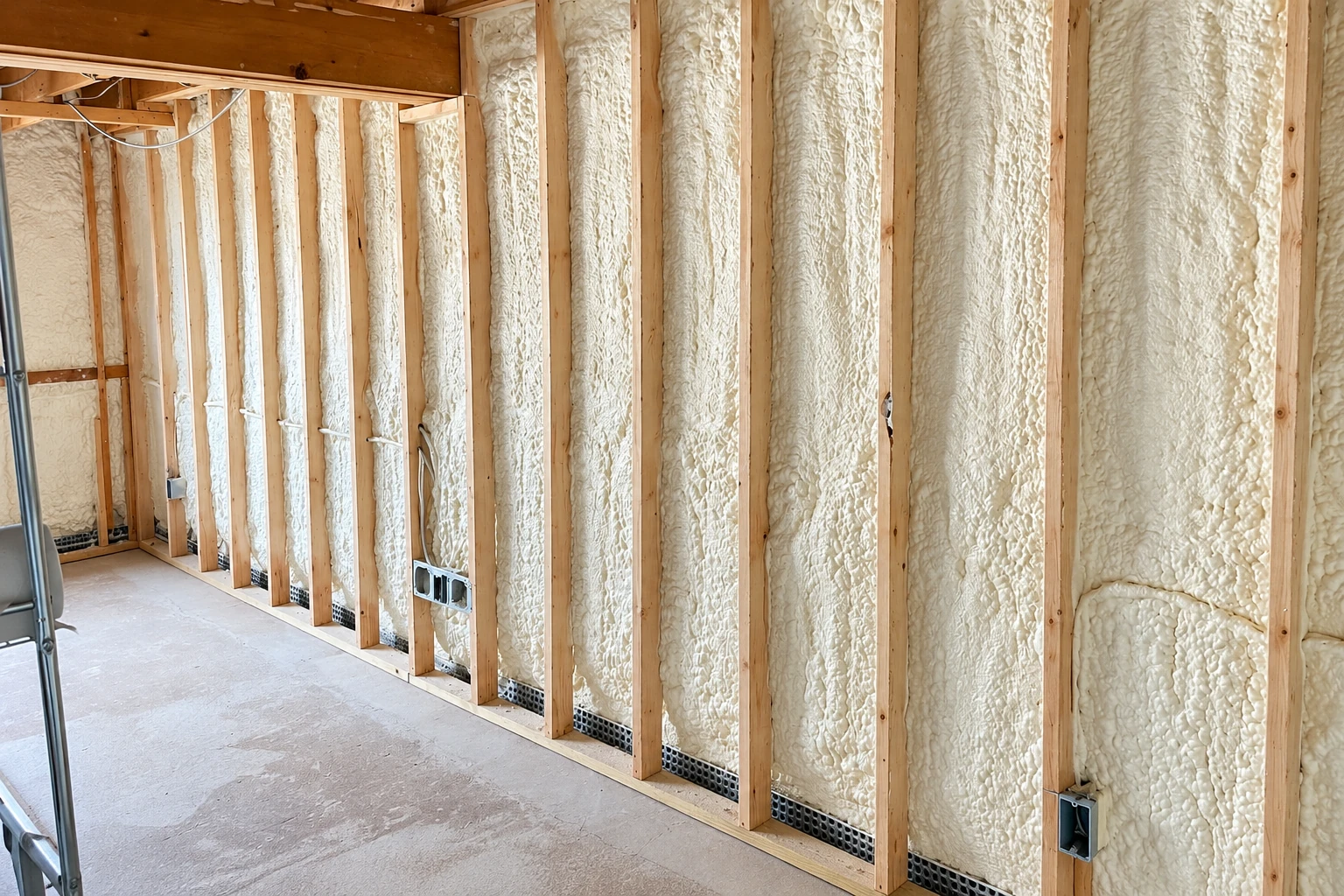
Insulation work, up close
Questions before you book home insulation
How much does blown-in attic insulation cost in Tyler?
Installed blown-in attic insulation across the US usually costs about $4 to $7.50 per square foot, with material and installation together. Where your attic lands in that range depends on how much is already up there, how many gaps need sealing first and whether old material has to come out. Your own figure comes from the estimate, once I've seen the attic.
Should air leaks be sealed before insulating my attic?
Yes, seal first, because money spent on insulation can be wasted when the holes and gaps in your ceilings, walls and foundation are left open. On average, insulating and sealing together can save up to 20 percent on heating and cooling costs. If you have recessed lights, only IC-rated ones, the airtight kind made to sit under insulation, should be covered.
Is cellulose or fiberglass better for my attic?
Fiberglass settles less and isn't ruined by a soaking, while cellulose costs less, so the choice comes down to your budget and how dry your attic stays. Loose cellulose settles about 10 to 20 percent over time against 2 to 4 percent for fiberglass, and cellulose breaks down when it gets soaked. Cellulose is also heavy, so it isn't recommended for mobile home ceilings or floors, where lighter fiberglass can be used.
How do I choose between blown-in insulation and batts for an attic?
For most attics, price blown-in first, because it's usually less expensive than batts and gives better coverage. Installation costs vary from house to house, so it's still worth comparing the two on your own attic.
How are permits filed in Tyler?
The City of Tyler takes all permit and plan submissions electronically at TylerInspections.com. Contractors register with the city to apply for permits, so it's fair to ask any installer whether they're registered there. Projects that go in as a set of plans follow the city's current energy code.
What is the best way to keep a Tyler attic cooler in summer?
Start with a sealed, evenly insulated attic, then consider a radiant barrier, a reflective sheet that turns back the sun's heat, since radiant barriers are especially useful in hot, sunny places. In hot, humid areas like ours, an unvented attic may also be worth it, because keeping muggy outdoor air out keeps it from condensing up there. That route means foam or foam board on the roof and gable walls, which tends to cost more than blown-in on the attic floor.
Other work that often goes with it
- Insulation removal
Old insulation that smells, sags or has gone dark from leaks or pests won't work under a fresh layer, so we take it out and start the attic clean.
- Crawl space insulation
Cold floors in winter and a musty smell in the hall usually start under the house, where insulating the crawl space keeps that air from reaching your rooms.