Commercial insulation in Tyler TX - a building that stays comfortable and dry
Sweating metal walls, hot offices or a flat roof that ponds water? We find the weak spots first, then insulate where it pays off.
Is it worth insulating an existing commercial building in Tyler?
Commercial insulation in Tyler means adding insulation to the outer walls and roof of a shop, office or warehouse, the shell between inside and outside, so the space holds its temperature and stays dry on the inside.
Most business owners and landlords who call Elite Tyler Spray Foam Insulation have already noticed something, like a shop that never cools down in August, water beading on the inside of a metal wall, or a flat roof that holds puddles after a storm. We're based in Tyler and work in the cities around it across East Texas, and if you don't see your city on our site, call and ask. The price mostly comes down to the size and type of building, what's on the roof now, whether the old roof has to come off and what we find under it. The schedule turns on those same things, plus any framing repairs and the hours you need the building open, so I walk it with you first, show you what I found and explain your choices before you decide.
How we handle commercial insulation, start to finish
I start by walking the building with you and asking what you and your staff have noticed, because the people inside usually know where the hot corners and wet spots are before anyone climbs a ladder. Then we find the weak spots, and I tell you plainly whether fixing them is likely to pay off for you, since sometimes the honest answer is that your insulation is doing its job. On a flat roof, we look at the drainage and the framing before we add anything on top, because a new layer over a soft deck or a rotten joist just hides the problem. Once the plan is set, our crew does the air sealing first, closing the gaps before insulating, much like you'd shut the windows before turning on the AC. Then they put the insulation in, and I check the work with them before we pack up.
On a lot of commercial jobs, moisture matters as much as heat. If your building sits over a crawl space, a crawl space vapor barrier often belongs in the same plan so ground moisture stays out of the floor framing. Where damp air is working into the walls or ceiling, we can also take care of vapor barrier installation so the new insulation stays dry.
Why Tyler business owners call Elite Tyler Spray Foam Insulation
I walk the building with you
I come out myself to look at the job and walk it with you, and our installers do the work, which I check with them before we pack up. That way the person who laid out the plan is the one who signs off on it.
Trained on public building crews
I learned this trade on a municipal crew, keeping public buildings comfortable and tight, and I started this business in Tyler in 2021. That job taught me why each step matters, and I still explain the reason behind every step before we start.
Covered while we're on your property
We're licensed and insured, so you aren't carrying the risk of our crew working on your roof or up on a lift. On a business property with staff and customers around, that's the first thing I'd check about any contractor.
Your people kept safe during work
I want the people in your building to be safe while we work and after we leave, so we plan the work around when your staff and customers are inside. When foam is part of the job, we tell you the re-entry time, the point when people can come back in, before we begin.
On a commercial building, the order of the work matters most, with the roof and leaks first, then the air gaps, then the insulation. Call (903) 508-0953 or reach us through our contact page, and have the building type, the roof type and any leaks or condensation you've seen ready so I know what to look for.
Get a free on-site look at your commercial building
Send the form and we'll reply within one business day to set a time for me to come out. The estimate is free, done at your building and comes with no obligation, and I'll walk the building with you and lay out your options before you decide anything.
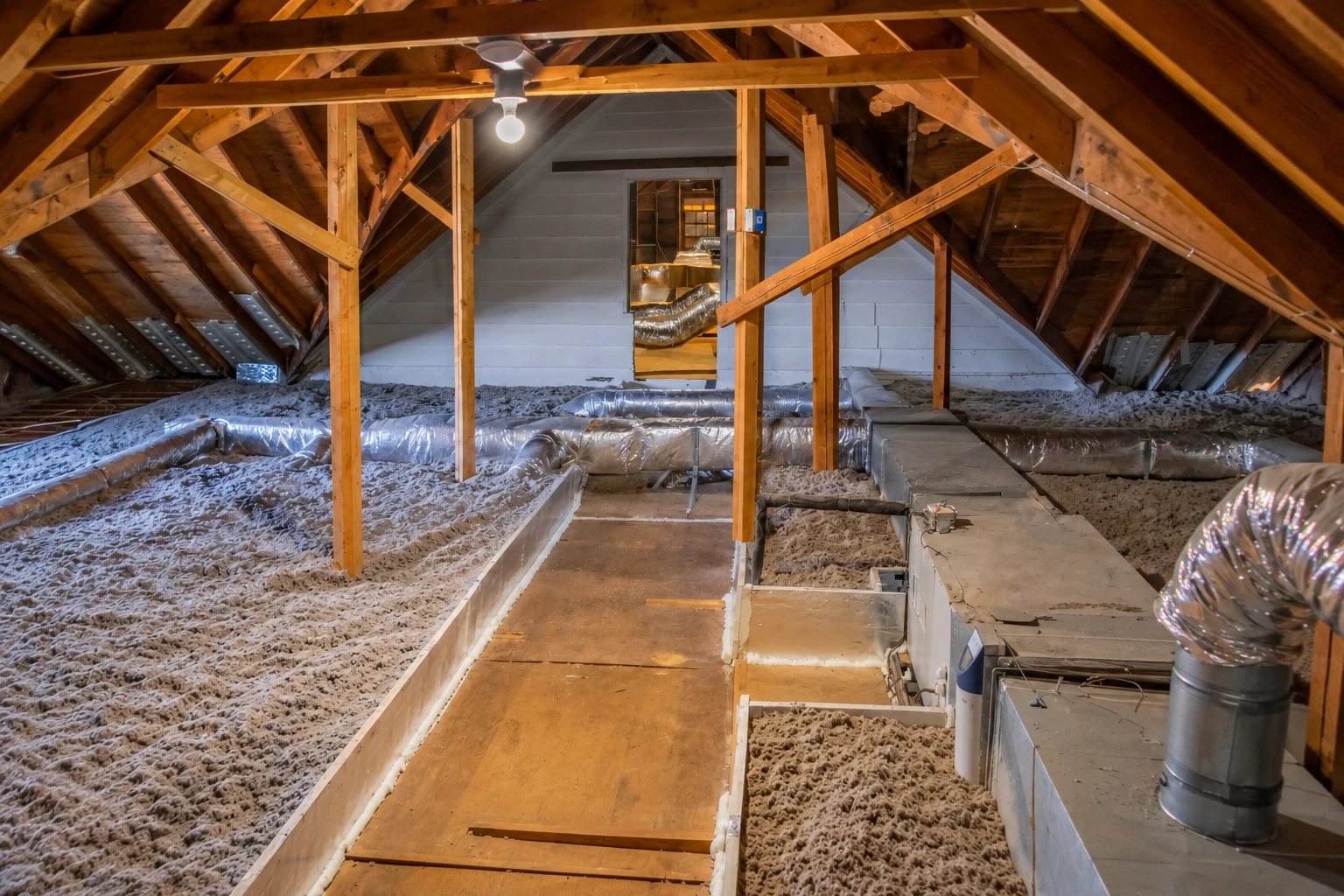
Commercial insulation work up close
Questions before you book commercial insulation
How do I know if adding insulation will pay off for my building?
Sometimes it won't, because adding insulation to an existing building can get expensive, and in mild climates or where the walls and roof already meet the energy code, the savings may not cover it. The usual advice is to run the numbers before paying for the work, sometimes with energy simulations, computer models of how the building uses power. When I walk your building, I'll tell you straight if I don't think it's worth doing.
How much does commercial insulation cost in Tyler, TX?
It depends mostly on the size of the building, whether it's a metal building, an office or a row of storefronts, and what's on the roof now. Taking off an old flat roof, repairing framing and reshaping the deck for drainage all add cost, while a building that mostly needs its gaps sealed usually costs less. Spray foam costs more than loose fill but seals air while it insulates, and after I walk your building you'll see the choices side by side.
Where should insulation go on a commercial building?
It usually works best on the outside of the walls and roof, as one continuous layer across the whole building. One building science paper goes further and calls it ideal to put all of it outside the other wall layers, which keeps humidity and condensation away from the structure and the finishes. That isn't always practical on an existing building, so I'll show you where it can go on yours and what each option gives up.
What happens to a flat roof when you add insulation?
The job starts with a look at the roof's structure, and water that pools after rain usually means the roof needs more slope and better drains. The old membrane and insulation come off so the framing can be checked for rot or insect damage, and repairs come before anything new goes on. The deck can then be sloped toward the drains or scuppers, the openings that let water off the roof, using tapered insulation boards that are thicker at one end. A tighter roof also makes the building more airtight, so it's fair to ask how the plan handles fresh-air ventilation and gas-burning equipment like furnaces and water heaters.
What causes condensation inside a metal building?
Moist air reaching a cool surface causes it, and air leaks are often the main source of that moisture inside a wall. In a metal building, fiberglass insulation installed properly with a vapor retarder, a facing that blocks moisture, keeps condensation off the inside surfaces. If your panels are dripping now, tell me where and when you see it, because that points to where the air is getting in.
Which energy code applies to commercial buildings in Texas?
Texas holds commercial and industrial buildings to a set edition of the International Energy Conservation Code, which you can check with the State Energy Conservation Office. Local governments can add their own changes to it, and they're the ones who enforce it on your building. When a city asks for a permit on a job, we handle the filing and set up the inspections for you, and if it isn't clear, we check with that city's office before we start.
Other work that often goes with it
- Crawl space vapor barrier
If your shop or office sits on piers over bare dirt, damp air from the ground can soak the floor framing and wear down the insulation above it.
- Vapor barrier installation
When walls or ceilings stay damp or metal panels drip in humid weather, a vapor barrier keeps that moisture out of the insulation so it can do its job.