Retrofit insulation in Tyler TX - an older home that stays comfortable in every room
Hot upstairs rooms and a high power bill in an older house? We add insulation in the right order, attic first, so it works.
How do I add insulation to an older house in Tyler?
Retrofit insulation in Tyler is insulation added to a house that's already built. Usually that's loose fill blown over the attic floor first, then insulation filled into closed walls, so the rooms you live in hold their temperature and the AC isn't running all afternoon.
Most people who call us about this live in a house built before insulation got much attention, or one that's been patched a few times since. The room over the garage cooks in July, the floors are cold in January, and the power bill doesn't fit the size of the place. The price moves with how big your attic is and how easy it is to get into, how many inches are already up there, whether old material has to come out first, how many gaps need air sealing, which means closing them before new insulation goes down, and whether you want walls and ducts done too. The schedule turns on the same things, plus how many parts of the house we take on at once. When I come out, I show you what I found and explain your choices before you decide anything.
How we handle retrofit insulation, one part of the house at a time
I start by asking what you've noticed, then I look at the whole house so we can plan the order together. Usually that means the attic first, because it's where most older houses lose the most and it's the easiest place to reach. Up there we pull out any old insulation that's soaked or full of droppings so the problem doesn't stay under the new layer. Then we seal the gaps around can lights, pipes and the hatch, since insulation over an open gap is like a sweater with the zipper down. We keep the eave vents clear so the attic can still breathe, and we blow in loose fill evenly all the way to the edges, where it tends to come up thin. Walls and ducts come next. Before we touch a wall, I'll ask about lead paint and old wiring, because in an older house either one changes how we go about it.
Most retrofits start with attic insulation, and that page covers the attic side in more detail. Spray foam insulation costs more because it seals air and insulates in one pass. I usually point people toward sealing the gaps and topping up loose fill instead. The exception is when your ductwork runs through the attic, because then sealing the whole attic protects the ducts too, and that's often worth the extra cost.
Why Tyler homeowners call Elite Tyler Spray Foam Insulation for a retrofit
I walk it and check it
I come out myself to look at the job and walk it with you, and if your insulation is fine, I'll tell you so. Our installers do the work, and I check it with them before we pack up, so the person who planned the job is the one who looks it over at the end.
Trained on public buildings since 2021
I learned this trade on a municipal crew keeping public buildings comfortable and tight, and I started this business in 2021. On that crew I liked showing newer hands why each step mattered, and I explain the order of your job to you the same way.
Licensed and insured on your job
We're licensed and insured. That's worth asking any installer about, since a retrofit puts people in your attic and sometimes inside your walls.
Based in Tyler, across East Texas
We're based in Tyler and work in the cities around it, including Whitehouse, Lindale and Longview, where older houses raise the same attic and wall questions. If you don't see your city on our site, call and ask.
On an older house, the order of the work matters more than the material, so let's start with a look at what you've got. Tell us about your house or call (903) 508-0953. Your satisfaction, guaranteed.
Get a plan for insulating your older house
We reply to every call and message within one business day, and the estimate is free, done at your property, with no obligation. I come out, look at the attic and anything else you're worried about, then show you what I found and explain your choices before you decide. It helps to know roughly when the house was built, how you get into the attic and whether you've had an energy checkup lately.
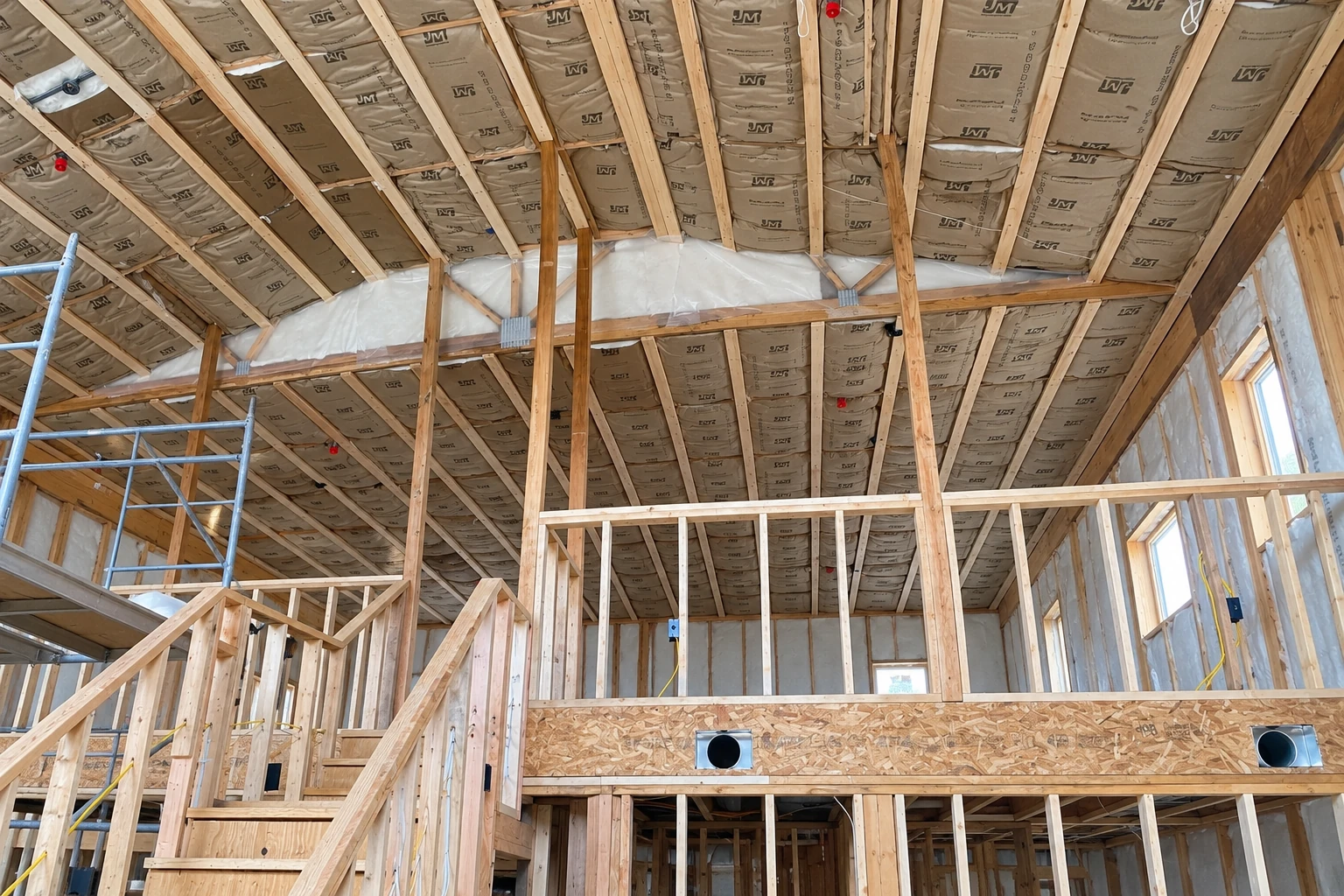
What retrofit insulation looks like
What people ask about retrofit insulation
How do I decide where to start adding insulation to an older house?
Federal guidance for homeowners says to start with a home energy checkup, also called an assessment or audit, and use what it finds to decide which upgrades come next. For a vented attic, the same guidance puts air sealing the openings in the attic floor ahead of new insulation, because those leaks waste energy and can bring moisture into the attic. That's why we seal before we blow in. If you've had a checkup recently, have it handy when we come out so we can start from what it found.
What is the best way to insulate closed walls in an older home?
Usually it's drill and fill, where the crew makes small holes near the top of each wall cavity, from inside or outside, and blows insulation in, so the walls stay standing. It's worth a look, since houses built before 1980 often have little or no insulation in the walls. In those homes, lead safety rules may apply depending on how much the work disturbs the walls. Federal guidance also reads the electrical code as not allowing insulation on or around knob and tube wiring, so those are the two things I ask about before any wall work.
Does a radiant barrier help if my attic in Tyler is already insulated?
Not much, if your attic is already well insulated. Federal guidance says an attic radiant barrier can cut the attic heat coming into the house by about 40%, which typically works out to 8% to 12% of a year's cooling costs, not of your whole power bill. In an attic already at R-30 or better, a rating for how well insulation slows heat, there's very little heat flow left to cut. I'll tell you how many inches you've got up there before we talk about one.
Do I need a permit for retrofit insulation in Tyler, TX?
When the city asks for a permit on a job, we handle the filing and set up the inspections for you, and if it isn't clear whether yours needs one, we check with the city's office before we start. The City of Tyler takes all permits and plans electronically through TylerInspections.com, and it asks contractors to register with the city before they can apply, so it's fair to ask any installer whether they're registered. Building plans in Tyler now go by an energy conservation code and an existing building code. Federal guidance says blown attic insulation should meet or beat the codes in force, at an even depth across the whole ceiling.
How much does retrofit insulation cost in Tyler?
Your price comes from how much of the house we insulate and what we find in the attic, so you'll get it after we've looked. Wet or dirty old insulation that has to come out first adds to it, and so does adding walls or ducts to the plan. Foam costs more than sealing the gaps and topping up loose fill. Doing the attic now and the walls later is one way to spread it out.
Do we have to leave the house while you add insulation?
Usually not for blown-in work in the attic, though we'll ask you to keep kids and pets out of the work areas while the crew is going. If any part of the plan uses spray foam, there's a re-entry time, the wait before it's safe to come back inside. I go over that with you before the day so you can plan around it.
Other work that often goes with a retrofit
- Attic insulation
If the upstairs runs hot or the insulation looks thin at the attic edges, start here, since the attic is the first stop in most retrofits we plan.
- Spray foam insulation
Worth a look when your ductwork runs through the attic or a room over the garage won't stay cool, because foam closes the leaks and insulates at once.